Biohazard Cleanup
Blood, sewage, sharps and other biohazards removed and disinfected by cleanup crews in protective gear.
Learn more →California · Los Angeles County
Dealing with a death, a crime scene or a sewage backup in Lake Balboa, Los Angeles, CA? Get the biohazard cleaning done, from blood and bodily fluid removal to odor treatment and full disinfection. Call (877) 812-4220 at any hour.
If anyone is in danger, call 911 first. For a suicide crisis, call or text 988.
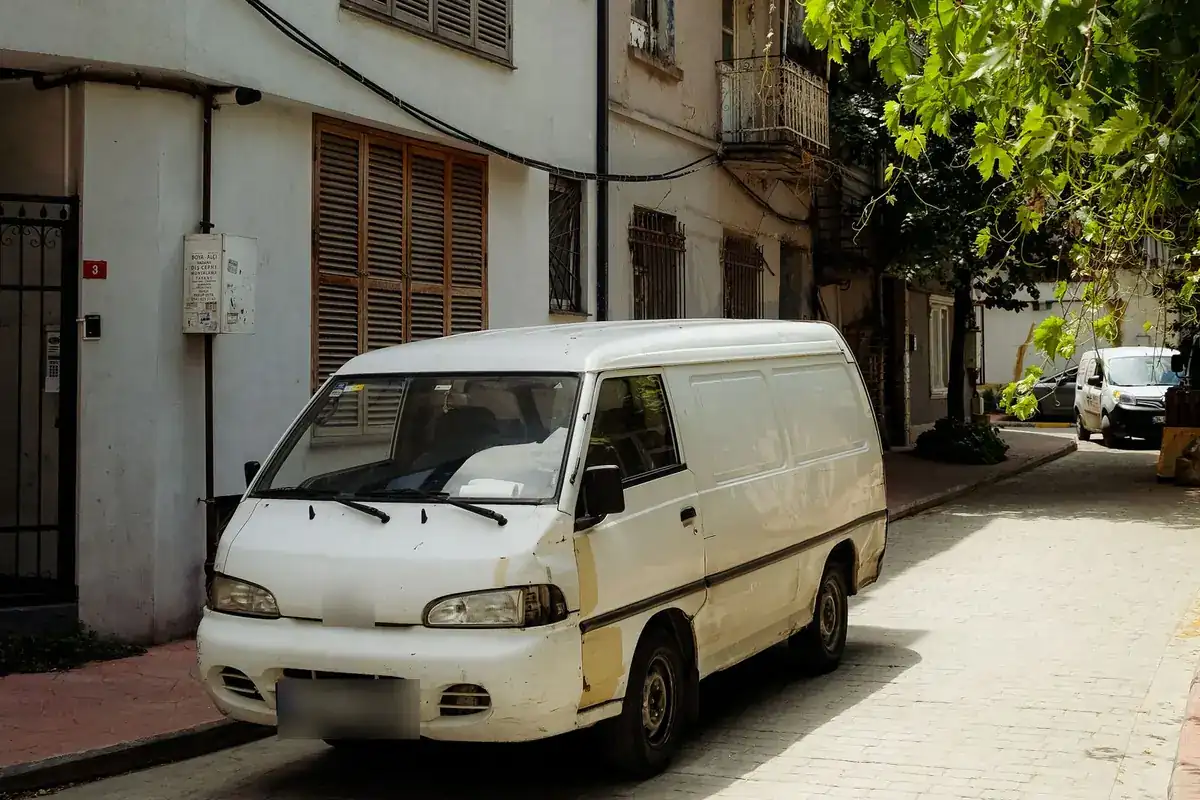
Cleaning up biohazard material is regulated work with real health risks, because blood and bodily fluids can carry bloodborne pathogens. If it happens, Lake Balboa families and businesses can call Lake Balboa Biohazard Cleanup Help for local biohazard cleanup.
Waiting makes biohazards harder to remove, because fluids keep soaking into flooring and odor keeps spreading through the home. Call at any hour, and a cleanup specialist will explain the next steps for Lake Balboa and the rest of Los Angeles County.
Renters live in about 64% of homes in Los Angeles, so landlords and property managers often need to get cleanup done and sort out who pays with tenants and insurers. About 70% of homes in Los Angeles were built before 1980, and older carpet, subfloor and wood trim absorb fluids deeply.
The rule on the wall of every serious crew is to treat all blood and bodily fluids as infectious. Under OSHA's Bloodborne Pathogens Standard (29 CFR 1910.1030), cleanup technicians use PPE and strict handling steps so germs stay out of the rest of the home and off the people doing the work.
Cleaning removes soil, and disinfecting kills germs, so both steps happen. Crews use EPA-registered disinfectants and let them stay wet for the full contact time, then use air scrubbers to pull particles and odor out of the air.
Every biohazard removal service below is available 24/7 to property owners, landlords and businesses in Lake Balboa and the surrounding areas of Los Angeles County.
Blood, sewage, sharps and other biohazards removed and disinfected by cleanup crews in protective gear.
Learn more →Cleanup after violent crimes, break-ins and assaults, using protective gear and EPA-registered disinfectants.
Learn more →Contaminated carpet, drywall and debris removed, with every affected surface disinfected and inspected.
Learn more →Cleaning, disinfection and odor removal after a death that was not found right away.
Learn more →Suicide scene cleanup for homes, apartments and vehicles, handled quietly and with care.
Learn more →Murder scene cleanup for homes, rentals, businesses and vehicles, handled privately with protective gear.
Learn more →Blood removal, disinfection and waste disposal for floors, carpet, walls and furniture after an injury or accident.
Learn more →Bodily fluid cleanup for blood, vomit, urine and feces, with disinfection and safe waste disposal.
Learn more →Urine and feces cleanup that removes soaked carpet, mattresses and furniture and sanitizes the affected area.
Learn more →Finds the source of a death odor and removes it, instead of masking it with sprays.
Learn more →Room-by-room help for families, landlords and residents dealing with a hoarded home.
Learn more →Hoarding removal with protective gear, safe lifting and correct disposal of waste.
Learn more →Ammonia odor, urine and feces cleaned from floors, walls and air after animals are removed.
Learn more →Extreme cleaning for unsanitary homes, done with protective gear and without judgment.
Learn more →Category 3 cleanup with protective gear, sealed disposal and EPA-registered disinfectants.
Learn more →COVID-19 cleanup and coronavirus disinfection of high-touch surfaces, bedrooms, bathrooms and shared rooms.
Learn more →Detailed decontamination after blood, sewage, animal waste or infectious illness, using EPA-registered disinfectants.
Learn more →Local biohazard disposal services, from one sharps container to rooms of contaminated medical supplies.
Learn more →Safe syringe pickup for places where children, pets or customers could be at risk.
Learn more →Cleanup after police release: items, residue and soiled materials handled without judgment.
Learn more →Testing, removal, cleaning and retesting for properties where meth was made or heavily used.
Learn more →Decontamination for rentals, motels, offices and vehicles after drug incidents and responder visits.
Learn more →Chemical spill cleanup with containment, decontamination and records for insurers, buyers and inspectors.
Learn more →Cleanup that begins once responders clear the scene, with records for insurers, owners and inspectors.
Learn more →Irritant residue removed from walls, floors, fabrics and vents after tear gas or pepper spray is released.
Learn more →Hantavirus-aware cleanup for cabins, sheds, barns and homes with HEPA-filtered equipment and disinfection.
Learn more →Pigeon and bird droppings cleanup on ledges, balconies, warehouses and storefronts.
Learn more →Dead animal removal from walls, attics, crawl spaces and vents, with disinfection and odor treatment.
Learn more →Hazmat car cleaning with protective gear, EPA-registered disinfectants and sealed disposal of contaminated parts.
Learn more →Injury scene cleaners remove soaked materials, treat odor and prepare records for employers and insurers.
Learn more →Workplace biohazard cleanup that contains the area, removes contamination and documents the work for insurers.
Learn more →Estate cleanout after a death, handled step by step at the family's pace.
Learn more →A cleanup specialist answers the call, then a technician inspects the site, identifies every biohazard and plans the remediation process. At a crime scene, work starts after law enforcement releases the property.
Barriers and filtered air keep the problem inside the affected room. Technicians put on respirators, gloves and disposable suits.
Crews in protective gear remove contaminated materials, clean every surface and disinfect with EPA-registered products. Waste is sealed and carried out as regulated medical waste.
HEPA scrubbers and odor treatment clean the air. A final walkthrough, and ATP testing where it is useful, shows whether anything was missed.
OSHA bloodborne pathogen protocols, full PPE, EPA-registered disinfectants and lawful biohazard waste disposal on every job.
Cleanup technicians know families may be grieving. They keep conversations short, kind and free of judgment, and they treat belongings with care.
Property managers get clear records, quick coordination on access and a cleaned unit ready for repairs and the next tenant.
Photos, documents, jewelry and keepsakes are set aside for the family whenever they can be safely saved.
Biohazard cleanup in Lake Balboa, Los Angeles, CA typically costs $500 to $25,000, depending on the type of biohazard, the size of the affected area and how far fluids soaked into porous materials.
Most residential jobs cost $3,000 to $5,000 (Fixr). Safety equipment, specialty disinfectants and regulated medical waste disposal are real costs that cheaper, general cleaners skip. They are part of why genuine biohazard cleaning costs more than a typical house cleaning.
| Type of job | Typical range |
|---|---|
| Blood spill cleanup, small area | $500 - $2,500 |
| Crime scene cleanup, most homes | $1,500 - $7,500 |
| Unattended death cleanup | $2,000 - $7,000 |
| Suicide cleanup | $1,500 - $5,500 |
| Sewage cleanup, most homes | $2,000 - $10,000 |
| Hoarding cleanup, level 3 home | $2,000 - $5,000 |
| Meth lab cleanup, typical | $15,000 - $20,000 |
Estimates only, not a quote. Sources: Fixr, Yelp Costs, BioCleaners Directory, PushLeads, Dropcurb, Bob Vila and cleanup company cost guides. Call (877) 812-4220 to talk through the job.
With a vacancy rate of 7% in Los Angeles, empty buildings can collect animal waste, drug paraphernalia and storm damage that nobody sees until later.
An average July high of 78 degrees in Lake Balboa speeds up decomposition after a death. The sooner the scene is released and cleaned, the less the odor and fluids spread.
About 70% of homes in Los Angeles were built before 1980, and older carpet, subfloor and trim hold fluids deeper, which can mean more material to remove.
With renters in about 64% of homes in Los Angeles, landlords and property managers often call about tenant deaths, abandoned units and unsafe conditions that need biohazard cleaning.
Hoarder homes can hide rotting food, animal waste, mold and pests, along with fire and structural hazards. Hoarding cleanup sorts belongings and restores a livable condition.
Failing septic systems and sewer backups push raw sewage, a Category 3 biohazard, into homes. Sewage cleanup removes contaminated materials and disinfects every surface.
Understanding the type and size of a biohazard helps owners know what to expect. Small, contained jobs move fast, while large or hidden contamination takes longer and calls for more removal.
Yes. Dried blood can still carry bloodborne pathogens. The CDC notes hepatitis B can survive on surfaces for at least seven days, and scraping dried blood releases particles. It should be handled with PPE and disinfected.
Often, yes. Many homeowners and renters insurance policies cover biohazard cleaning after a sudden event such as a death, crime or accident, after the deductible. Hoarding and gradual damage are often excluded. The cleanup work is documented with photos and notes for the insurance company.
A cleanout of belongings can take from a day to several weeks depending on how much is in the home. If a death left biohazards, the biohazard cleanup comes first, and sorting or hauling follows once the area is safe.
Many jobs are priced by the scope of the work rather than as one simple hourly rate. The type of biohazard, the size of the area, the materials removed and waste disposal set the total. Ask the cleanup team how the cost is worked out.
Ask whether the crew follows OSHA bloodborne pathogen rules, uses EPA-registered disinfectants, disposes of waste lawfully and can document the work for insurance. Compare how biohazard cleanup companies explain scope, cost range and privacy, and be cautious about anyone who pressures you to sign on the spot.
Respirators, gloves, face protection, boot covers and disposable suits make up the usual personal protective equipment (PPE). It is put on before entering the work area and disposed of as contaminated waste afterwards.
Tell the landlord and the renters insurer right away. With renters in about 64% of homes in Los Angeles, many rentals have a process for this. The building is usually the owner's job, and belongings may fall under the tenant's policy.
It can. Los Angeles County has a Very High river flood risk rating from FEMA. Wherever floodwater or a sewer backup enters a home, the water is treated as Category 3 and needs full cleaning and disinfection.
Los Angeles is the Los Angeles County seat, and you can get help there along with Lake Balboa, Van Nuys and Encino. Call Lake Balboa Biohazard Cleanup Help at (877) 812-4220 to ask about a property in any of these towns.
No judgment and no pressure, just a clear plan for the property.
Call (877) 812-4220